
Residential Distributed Energy Program
Texas Shared Consumption & Grid Reduction Initiative
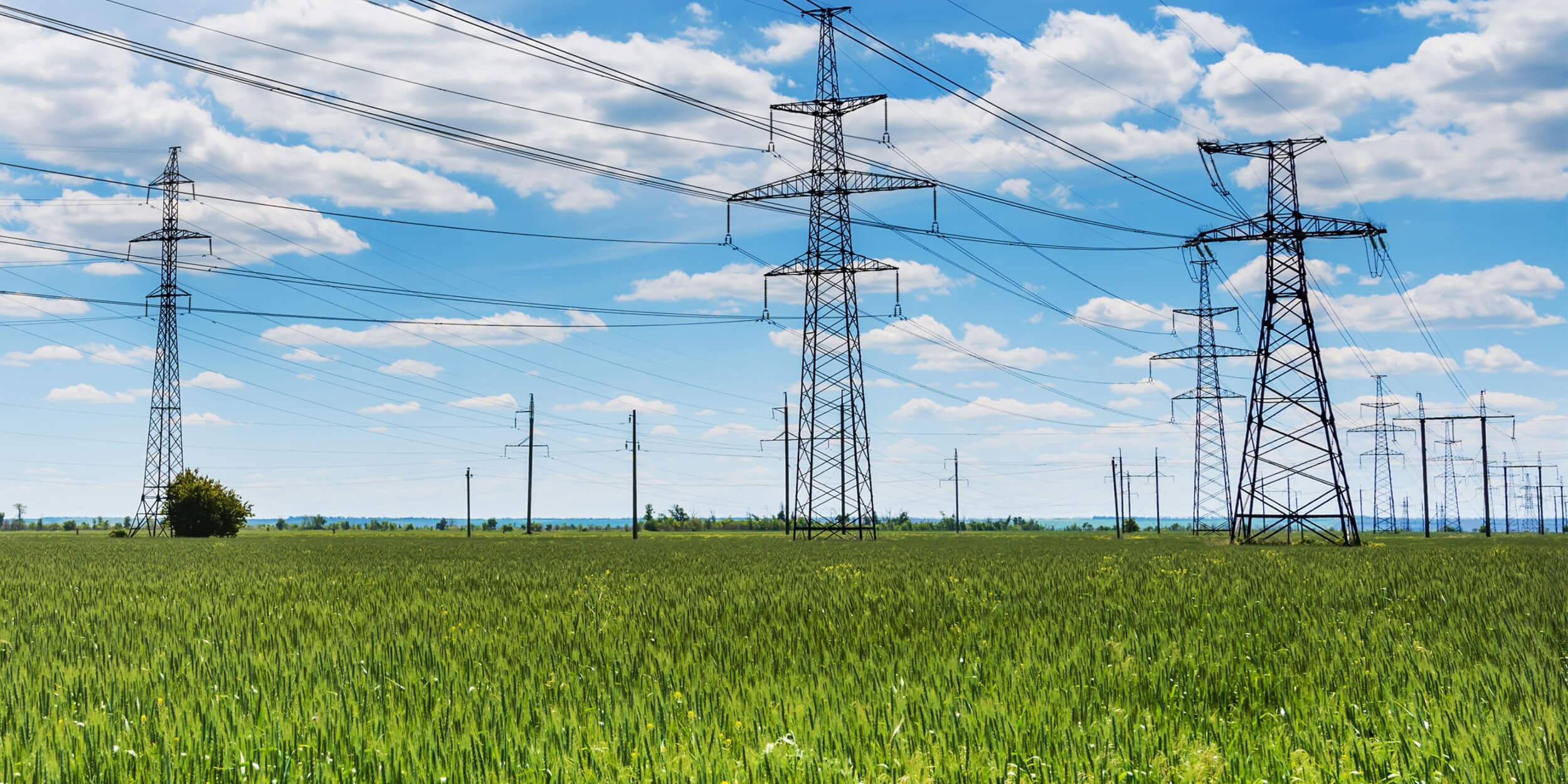
The Texas Grid Stress Environment
The Texas electric grid is entering a period of sustained capacity strain. ERCOT, the state's grid operator, has issued repeated capacity warnings over the past several years as aggregate electricity demand has grown faster than new generation and transmission capacity.
The primary driver of new demand is industrial-scale data center expansion. Pending grid interconnection applications in Texas now total approximately 474 gigawatts — roughly five times ERCOT's all-time record peak demand — with data center projects accounting for nearly 90% of the pipeline. In August 2026, Governor Abbott ordered a freeze on new data center interconnections while long-term planning catches up.
At the same time, legacy generation continues to retire on regulatory and economic timelines, and Texas residential electricity rates have risen substantially, following a national trend of approximately 25% average rate increases over the past four years.
The residential consumption space represents a significant portion of Texas grid demand and, historically, the least-utilized flexibility resource available to grid operators. Programs that meaningfully reduce residential-side demand, or shift residential consumption patterns through distributed storage, contribute measurable relief to constrained grids.
Program Overview
RDEP was established to address residential-side contribution to grid stress in high-stress Texas utility districts. The program's mandate is executed through three coordinated components.
Demand reduction
Enrollment of qualifying residences into subsidized home energy efficiency improvements, delivered through a network of approved Texas installers, targeting measurable reductions in aggregate residential demand within participating regions.
Distributed storage
In Texas deregulated markets where residential-scale battery systems can provide grid services, coordination between qualifying residences and grid services providers, participating in shared consumption structures that offset equipment cost through grid services revenue.
Regional partnership execution
Program administration, homeowner qualification, and installer network coordination performed centrally, with actual installation and service work performed by regional Texas installers approved and quality-assured by the program.
The program does not install directly and does not operate as a retailer of energy or equipment. Its role is administrative — matching Texas grid needs to available residential capacity for demand reduction and storage participation, and coordinating the fulfillment infrastructure that delivers program benefits to enrolled residences.
Program Components
Home Energy Reduction
Qualifying Texas residences receive subsidized professional installation of insulation, air sealing, and adjacent efficiency measures designed to meaningfully reduce total household energy consumption.
Distributed Storage Participation
In designated Texas deregulated utility districts, qualifying residences participate in the program's shared consumption structure through partner-provided residential battery systems.
Regional Programs
RDEP operates through region-specific implementation programs administered locally. At this time, every Texas region is now currently active.